Winifred School, Montana — Eight RADIX Modules Growing Lettuce for School Lunches
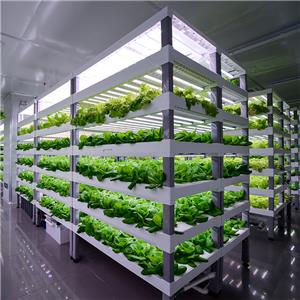
In 2022, horticulture students from Montana State University helped set up indoor growing facilities at Winifred School, a small rural school in Montana. The school received eight SANANBIO RADIX vertical hydroponic modules, and the students used an additional RADIX system at the university's Plant Growth Center in Bozeman. The project was documented in a peer-reviewed paper published on 3 July 2024.
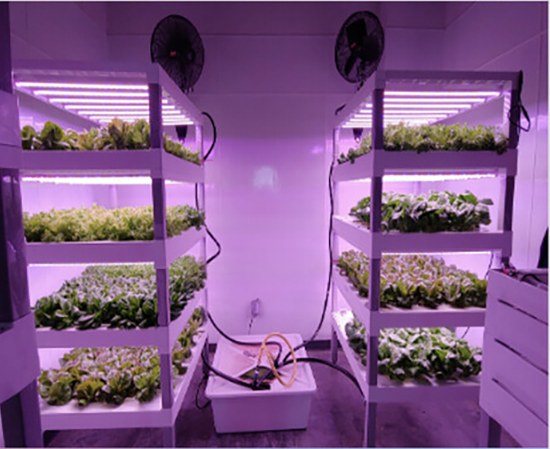
The account is unusually practical, and that is what makes it useful. The students found problems on arrival: some racks had been assembled incorrectly, pumps were delivering excessive flow, and the water was highly alkaline. Over multiple visits they adjusted the irrigation, introduced water treatment and worked through the faults until the systems were usable for lettuce cultivation. By the third visit, the authors reported mature lettuces growing in the operating modules, with school pupils taking part in harvesting.
Harvested produce went into school lunches, and the facilities continued to support teaching after the project. The paper estimates potential full-capacity output at roughly 200 lettuce heads per week — an estimate of what the systems could produce, not a measured commercial yield.
For schools and community projects considering indoor growing, this case shows RADIX in a real educational installation: equipment that students could install, troubleshoot and operate, producing food for the school itself. It also shows, honestly, that hydroponic systems need maintenance and operational planning — success came from fixing problems, not from the equipment working perfectly on day one.
---
Frequently Asked Questions
What equipment did Winifred School receive, and who set it up?
The school received eight SANANBIO RADIX vertical hydroponic modules. Horticulture students from Montana State University helped set up the indoor growing facilities in 2022, and also used an additional RADIX system at the university's Plant Growth Center in Bozeman.
What problems did the students find when they arrived?
Some racks had been assembled incorrectly, pumps were delivering excessive flow, and the water was highly alkaline. Over multiple visits the students adjusted the irrigation, introduced water treatment and worked through the faults until the systems were usable for lettuce cultivation.
What happened to the harvested produce?
Harvested produce went into school lunches, with school pupils taking part in harvesting by the third visit. The facilities continued to support teaching after the project.
How much lettuce can the systems produce?
The paper estimates potential full-capacity output at roughly 200 lettuce heads per week — an estimate of what the systems could produce, not a measured commercial yield.
Can students install and run a RADIX system themselves?
Yes. Montana State University horticulture students helped set up the eight RADIX modules at Winifred School in 2022, fixed the faults they found — incorrectly assembled racks, excessive pump flow and highly alkaline water — and by the third visit mature lettuces were growing, with school pupils taking part in harvesting.