Chiba University Lettuce Study Used SANANBIO Green LEDs to Examine Tipburn
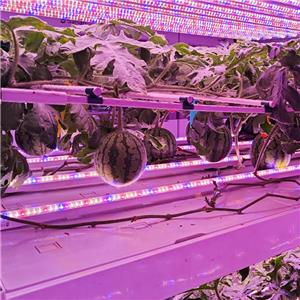
A 2026 peer-reviewed study from Chiba University used SANANBIO monochromatic green LEDs while testing how light spectra affect tipburn in romaine lettuce.
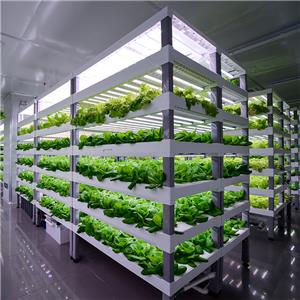
According to a study published in Plants on January 9, 2026, researchers associated with Chiba University investigated how replacing other wavelengths with green light affected tipburn in romaine lettuce grown in a plant factory with artificial lighting. Their lighting setup included SANANBIO monochromatic green LED fixtures, model ZK3-TB18-SR01, specified at a peak wavelength of 526 nm. White LEDs from another manufacturer were also used, so this was not an entirely SANANBIO lighting installation.
The researchers compared four green-light proportions while keeping the total photosynthetic photon flux density at 200 µmol m−2 s−1. They measured lettuce growth, tipburn occurrence and physiological indicators. The published results showed lower tipburn incidence at higher green-light proportions, but also reductions in fresh weight under the strongest green-light treatments. The authors identified a 60% green-light substitution as a useful balance under their tested conditions.
This is evidence of SANANBIO hardware being used in independent academic experimentation, not evidence that SANANBIO conducted or independently validated the study. Its findings apply to the tested crop, light environment and protocol; they should not be generalized as guaranteed outcomes for commercial farms.
Original research: https://pmc.ncbi.nlm.nih.gov/articles/PMC12845428/
Original report: Plants (MDPI) / Chiba University · Source published: 2026-01-09