Philippines Opens Korean-Backed Smart Greenhouse, Bringing Controlled-Environment Farming to Commercial Scale
The Philippines has opened its first Korean-backed smart greenhouse in Aklan, harvesting nearly a tonne of high-value vegetables in its first week as the facility moves from construction to commercial operation.
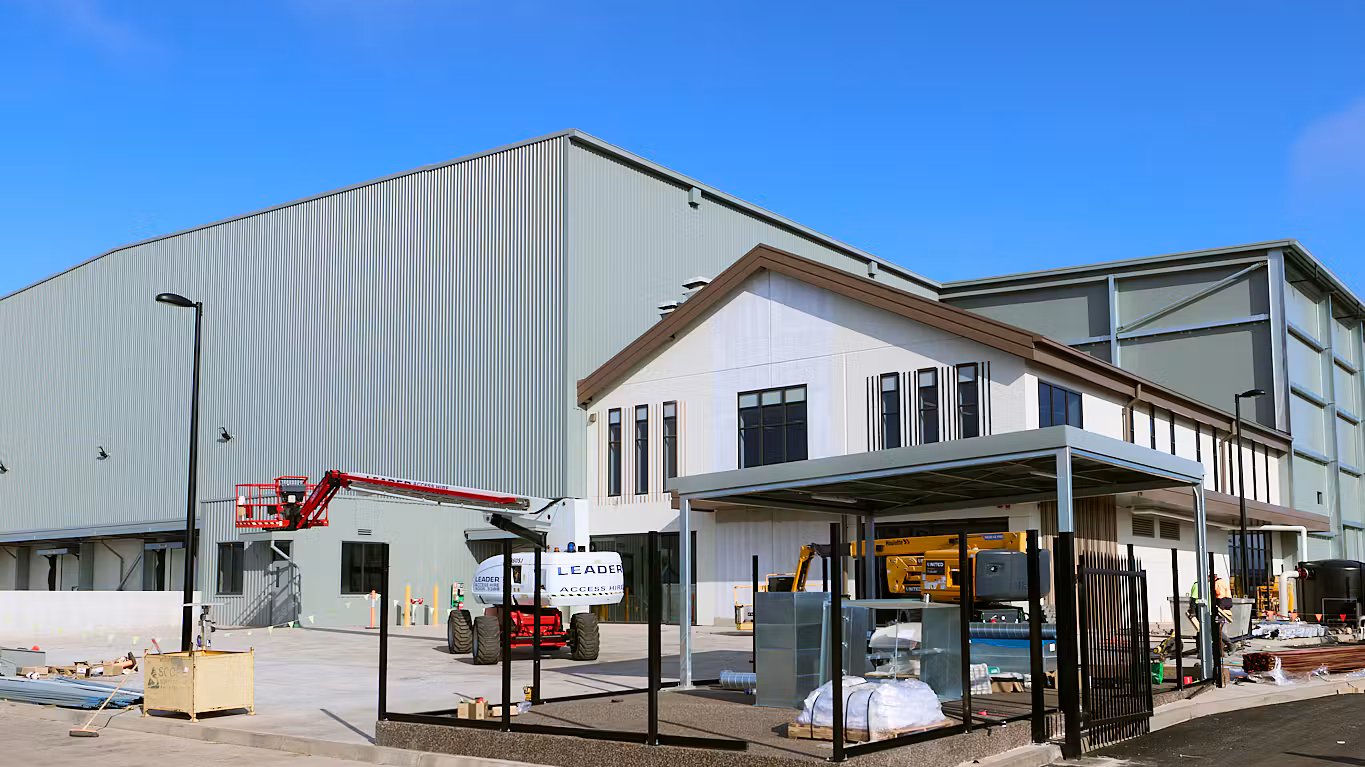
The Philippines has opened a Korean-backed smart greenhouse in Kalibo, Aklan, marking the first of four pilot facilities under a Philippine-Korean initiative to bring high-value crop production into controlled-environment farming.
Agriculture Secretary Francisco P. Tiu Laurel Jr. led the inauguration and ceremonial first harvest on 7 November 2026 at the Aklan Agri-Aqua Demonstration Farm and Training Center in Barangay Nalook, Kalibo. The facility is the first site under the Value Chain Enhancement of High-Value Crops through Smart Agriculture (VEHCSA) project to complete construction and move into production.
In its first week of November, the facility scheduled a harvest of 454 kilograms of lettuce, 62 kilograms of bell peppers and 414 kilograms of cherry tomatoes, a combined total of around 930 kilograms. The project is funded by the Korea International Cooperation Agency (KOICA) with 8 million US dollars and runs from November 2023 to December 2027.
The VEHCSA project introduces automated greenhouse systems and improved production methods designed to make farming more efficient and less vulnerable to changing weather, alongside post-harvest handling, marketing assistance, good agricultural practices and farmer training. Three more pilot facilities are under the same programme, in Tigbauan, Iloilo; Patnongon, Antique; and Bago City, Negros Occidental. The Iloilo site is scheduled for inauguration on 20 November.
The Department of Agriculture has been clear that technology alone does not guarantee profitability. The project is therefore working to connect the facilities with agribusiness enterprises, institutional buyers and private-sector markets, so the greenhouses operate as commercial farms rather than demonstration sites.
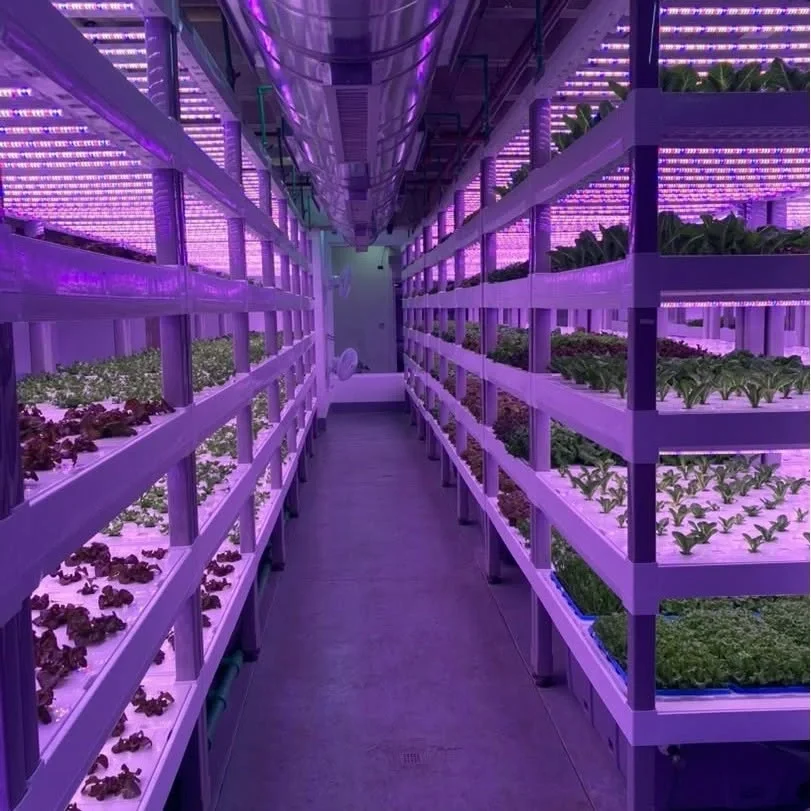
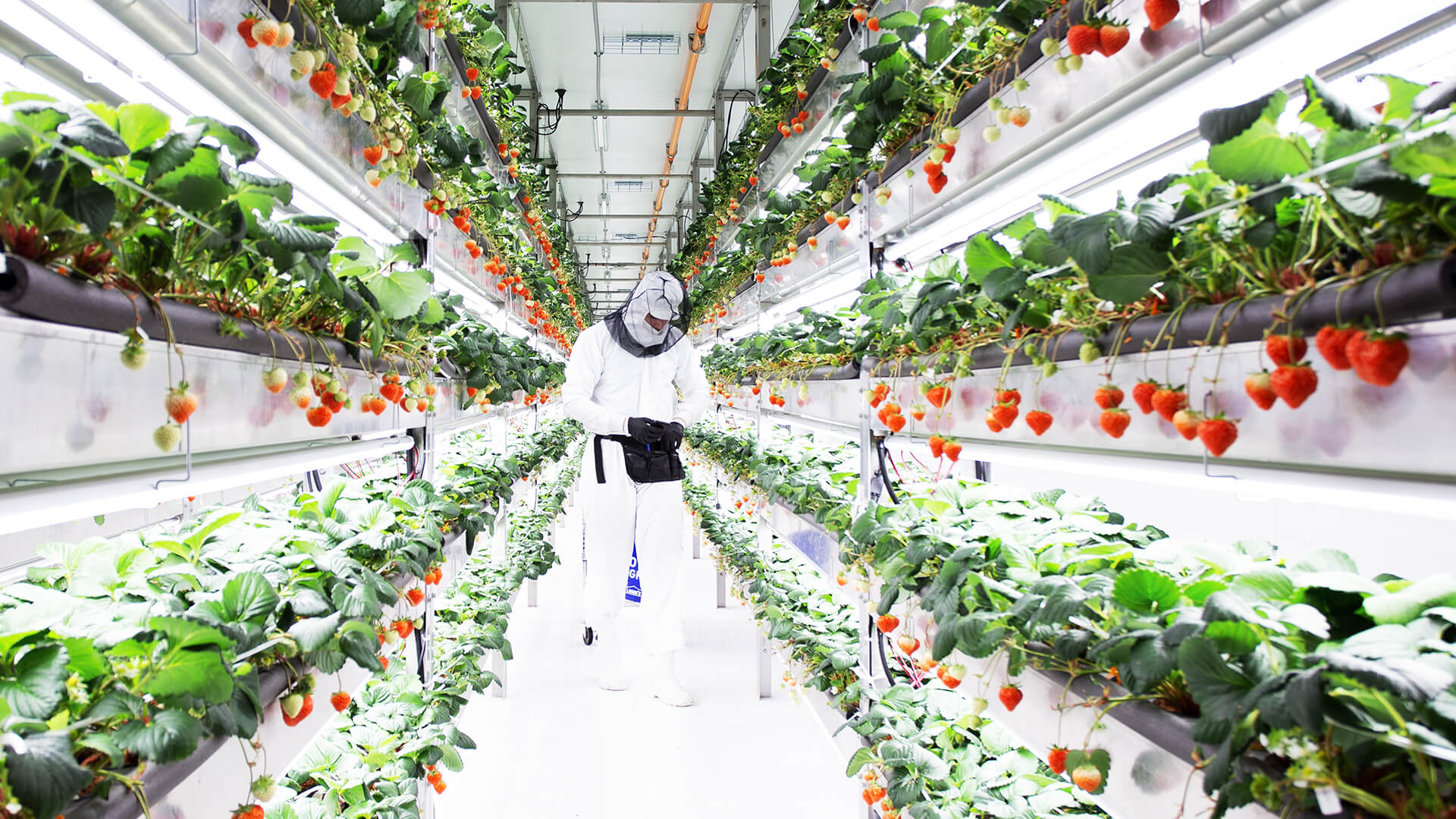
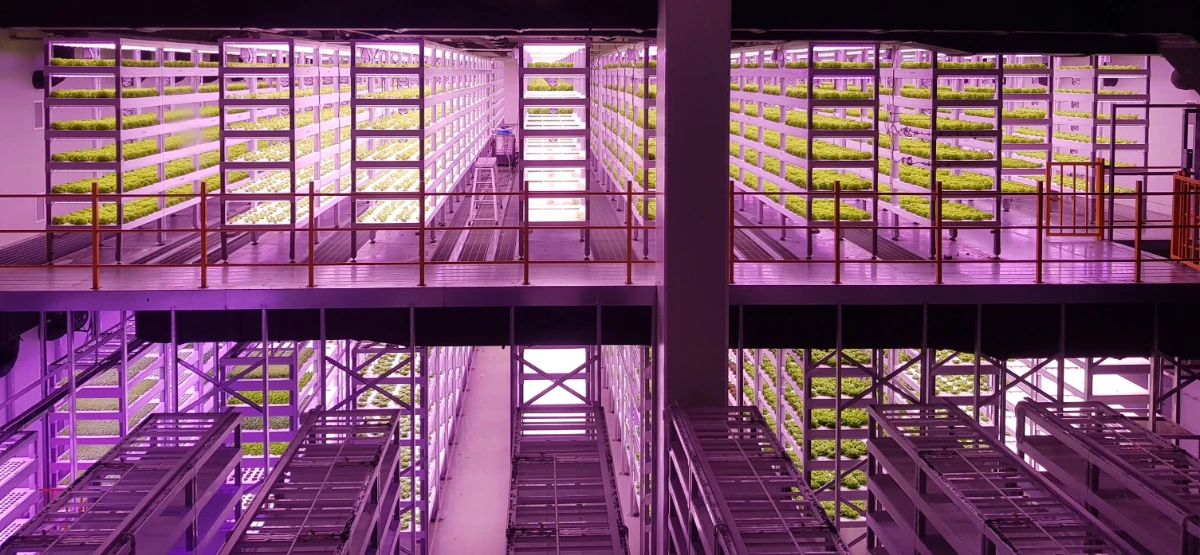
The opening shows controlled-environment agriculture moving from pilot projects toward commercial production in Southeast Asia. The same principles behind the approach — automated climate control, consistent growing conditions and year-round output — are central to vertical farming, and growers in the region are watching whether the model can deliver both reliable yields and sustainable farm income.